
Showing all 4 resultsSorted by latest

Fire extinguisher price in Bangladesh

Fire safety is no longer optional for homes, offices, factories, hospitals, schools, shopping malls, restaurants, and industrial facilities. A reliable fire extinguisher can stop a small fire before it becomes a major disaster. It can protect lives, property, and business operations.

If you are searching for the best fire extinguisher price in Bangladesh, choosing the right type is just as important as finding the right price. Different environments require different extinguishers, and selecting the wrong one can reduce effectiveness or even increase the danger.

At cctvprice-bd.com, we provide high-quality fire extinguishers, fire alarm systems, and fire suppression equipment. We also offer professional fire safety solutions for homes, businesses, and industrial sites across Bangladesh.

This guide explains what to know before buying a fire extinguisher. It covers prices, types, uses, maintenance, refill services, and expert buying tips.

What Is a Fire Extinguisher?

A fire extinguisher is a portable fire protection device designed to control or extinguish small fires during their early stages. It contains an extinguishing agent stored under pressure and is intended to be operated manually before emergency responders arrive.

Modern fire extinguishers are designed for different classes of fire, including the following:

  • A – Ordinary combustible materials such as wood, paper, and textiles.
  • B – Flammable liquids such as petrol, diesel, paint, and solvents.
  • C – Electrical equipment and energized electrical fires
  • D – Combustible metals.
  • K/F – Cooking oils and fats commonly found in commercial kitchens.

Understanding these fire classes helps ensure you choose the correct extinguisher for your specific environment.

Why Every Property Needs a Fire Extinguisher

Fire incidents can occur unexpectedly due to electrical faults, gas leaks, kitchen accidents, machinery failures, or improper storage of flammable materials. Having a suitable fire extinguisher on-site enables immediate action before a fire spreads.

A quality fire extinguisher offers several benefits:

  • Protects people and property
  • Minimizes fire damage
  • Reduces business interruption
  • Helps meet workplace safety requirements
  • Supports emergency preparedness
  • Can reduce insurance-related risks
  • Improves compliance with fire safety standards

You own a small apartment, fire safety equipment helps protect people and property. Whether you manage a large industrial facility, fire safety equipment helps protect people and property.

Types of Fire Extinguishers Available in Bangladesh

Selecting the correct extinguisher depends on the type of fire risk present. Below are the most common options available in Bangladesh.

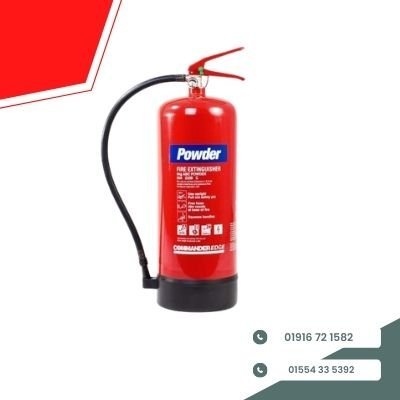
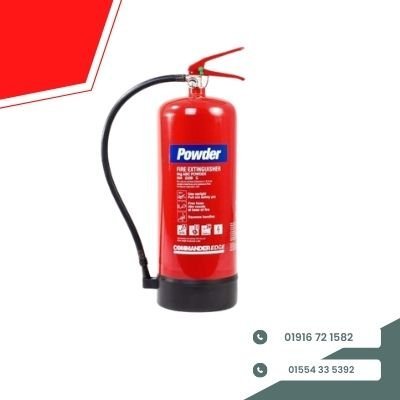
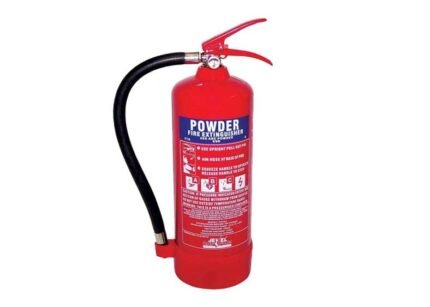
ABC Dry Powder Fire Extinguisher

ABC dry powder extinguishers are among the most versatile and widely used. They can handle:

  • Wood
  • Paper
  • Cloth
  • Plastic
  • Petrol
  • Diesel
  • LPG
  • Electrical equipment

They are commonly installed in:

  • Homes
  • Offices
  • Schools
  • Warehouses
  • Factories
  • Shopping malls
  • Garment industries

Advantages

  • Multi-purpose
  • Affordable
  • Easy to maintain
  • Suitable for electrical fires
  • Available in multiple capacities

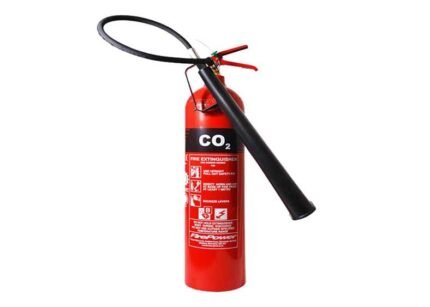
CO₂ Fire Extinguisher

Carbon Dioxide (CO₂) extinguishers are designed primarily for electrical equipment and flammable liquid fires.

Ideal applications include:

  • Server rooms
  • Data centers
  • Electrical panels
  • Hospitals
  • Banks
  • Laboratories
  • Control rooms
  • Telecommunications facilities

Advantages

  • Leaves no residue
  • Safe for sensitive electronics
  • Fast extinguishing action
  • Clean agent discharge

Foam Fire Extinguisher

Foam extinguishers are highly effective for:

  • Petrol fires
  • Diesel fires
  • Paint
  • Oil
  • Flammable liquids

Common applications:

  • Fuel stations
  • Automotive workshops
  • Chemical storage facilities
  • Warehouses

Water Fire Extinguisher

Water extinguishers are suitable only for Class A fires involving ordinary combustible materials such as

  • Wood
  • Paper
  • Fabric
  • Cardboard

They should never be used on electrical or flammable liquid fires.

Clean Agent Fire Extinguisher

Clean agent extinguishers use non-conductive gases. They leave no residue after discharge. This makes them ideal for areas with sensitive equipment.

Recommended for:

  • Data centers
  • Hospitals
  • Museums
  • Libraries
  • Communication facilities
  • Laboratories

Fire Extinguisher Sizes Available

Choosing the right size depends on the area, occupancy, and fire risk.

Common sizes include:

CapacityRecommended Use
1 kgSmall vehicles
2 kgCars and small offices
3 kgApartments
4 kgShops
5 kgMedium offices
6 kgCommercial buildings
9 kgWarehouses
12 kgFactories
25 kgIndustrial facilities
50 kgLarge manufacturing plants

Larger facilities often require multiple extinguishers strategically placed according to local fire safety requirements and risk assessments.

Fire Extinguisher Price in Bangladesh

The price of a fire extinguisher in Bangladesh depends on several factors, including:

  • Type of extinguishing agent
  • Capacity (kg)
  • Brand
  • Certification
  • Manufacturing standards
  • Country of origin
  • Warranty
  • Application (residential, commercial, or industrial)

While low-cost products may seem attractive, certified fire extinguishers generally provide better reliability, durability, and long-term value. For commercial and industrial use, investing in quality products is essential to ensure dependable performance during emergencies. The idea of fire extinguisher prices in Bangladesh starts around BDT 1,100 to 1,500 per 3 kg refillable cylinder.

Fire Extinguisher Price Guide in Bangladesh (2026)

The price of a fire extinguisher in Bangladesh varies depending on its type, capacity, certification, brand, and intended application. Residential users often choose compact models for kitchens, apartments, or personal vehicles, while commercial and industrial facilities require larger-capacity extinguishers that comply with workplace safety standards.

When comparing products, avoid selecting solely based on the lowest price. A certified fire extinguisher from a trusted supplier offers greater reliability, a longer service life, and dependable performance during emergencies.

Factors That Affect Fire Extinguisher Prices

Several factors influence the overall cost:

  • Extinguishing agent (ABC Dry Powder, CO₂, Foam, Water, Wet Chemical, or Clean Agent)
  • Capacity (1kg to 50kg)
  • Manufacturing quality
  • Compliance with international standards
  • Cylinder material and finish
  • Valve quality
  • Pressure gauge reliability
  • Warranty period
  • Brand reputation
  • After-sales service
  • Refilling and maintenance support

A higher-quality extinguisher may have a higher initial cost but typically provides better durability and lower maintenance expenses over time.

Choosing the Right Fire Extinguisher

Selecting the correct fire extinguisher starts with identifying the types of fire hazards in your environment.

For Homes

Most homes face risks from:

  • Electrical appliances
  • Kitchen accidents
  • LPG cylinders
  • Curtains
  • Furniture
  • Wooden materials

An ABC dry powder fire extinguisher is generally a practical choice because it can address multiple types of fire.

For Offices

Office environments usually contain:

  • Computers
  • Electrical wiring
  • Air conditioners
  • Printers
  • UPS systems
  • Office furniture

A combination of ABC dry powder and CO₂ fire extinguishers provides broader protection against both electrical and combustible material fires.

For Factories

Industrial facilities present more complex risks, including the following:

  • Machinery
  • Electrical control panels
  • Flammable chemicals
  • Fuel storage
  • Production equipment

Many factories install a combination of the following:

  • ABC Dry Powder Fire Extinguishers
  • CO₂ Fire Extinguishers
  • Foam Fire Extinguishers
  • Fire Hose Reels
  • Fire Hydrant Systems

The final selection should be based on a professional fire risk assessment.

For Commercial Buildings

Suitable locations include the following:

  • Shopping malls
  • Hotels
  • Restaurants
  • Hospitals
  • Schools
  • Banks
  • Warehouses

Commercial properties often require a complete fire protection system rather than relying on portable extinguishers alone.

ABC vs CO₂ Fire Extinguisher

FeatureABC Dry PowderCO₂
Electrical Fires
Wood & Paper
Flammable Liquids
Leaves ResidueYesNo
Sensitive ElectronicsLimitedExcellent
Home UseExcellentGood
Office UseExcellentExcellent
Data CentersNot RecommendedRecommended
CostGenerally LowerGenerally Higher

Many businesses install both types to provide comprehensive protection for different fire risks.

How to Choose the Correct Capacity

The size of the extinguisher should match the level of fire risk and the floor area.

1 kg Fire Extinguisher

Suitable for:

  • Motorcycles
  • Small cars
  • Personal vehicles

2kg Fire Extinguisher

Recommended for:

  • Cars
  • Small offices
  • Home kitchens

4kg–6kg Fire Extinguisher

Ideal for:

  • Apartments
  • Retail shops
  • Medium-sized offices
  • Clinics

9kg Fire Extinguisher

Best suited for:

  • Warehouses
  • Factories
  • Garment facilities
  • Workshops

25kg–50kg Fire Extinguisher

Designed for:

  • Industrial plants
  • Fuel storage facilities
  • Chemical factories
  • Large warehouses

Common Mistakes When Buying a Fire Extinguisher

Many buyers make purchasing decisions based only on price. This can lead to selecting equipment that is unsuitable for the actual fire risks.

Avoid these common mistakes:

  • Buying the wrong type of extinguisher
  • Choosing insufficient capacity
  • Ignoring product certifications
  • Purchasing from unauthorized suppliers
  • Forgetting maintenance requirements
  • Skipping routine inspections
  • Installing extinguishers in inaccessible locations
  • Failing to train staff on proper use

A properly selected and maintained extinguisher can make a critical difference during an emergency.

Where Should Fire Extinguishers Be Installed?

Correct placement improves accessibility and response time.

Common installation locations include:

  • Building entrances
  • Hallways
  • Electrical rooms
  • Kitchens
  • Warehouses
  • Factory production areas
  • Server rooms
  • Parking areas
  • Generator rooms
  • Reception areas

Extinguishers should remain clearly visible, unobstructed, and easy to access at all times.

Fire Safety Standards in Bangladesh

Businesses should follow applicable fire safety regulations and maintain fire protection equipment in accordance with local requirements. Depending on the type of facility, this may include the following:

  • Portable fire extinguishers
  • Fire alarm systems
  • Smoke detectors
  • Emergency lighting
  • Exit signage
  • Fire hose reels
  • Fire hydrant systems
  • Staff fire safety training
  • Routine inspection and maintenance schedules

Implementing a complete fire safety program not only helps protect people and property but also supports regulatory compliance and business continuity.

Why Buy from a Professional Fire Safety Supplier?

Choosing an experienced supplier provides benefits beyond the product itself.

Look for a supplier that offers:

  • Certified products
  • Expert consultation
  • Product selection guidance
  • Installation support
  • Annual maintenance
  • Refilling services
  • Inspection assistance
  • Technical support
  • Product warranty
  • Fast delivery across Bangladesh

Reliable after-sales service is an important consideration when investing in fire safety equipment.

Fire Extinguisher Maintenance Guide

Purchasing a fire extinguisher is only the first step in protecting your property. To ensure it functions properly during an emergency, every extinguisher should be inspected, maintained, and serviced regularly. An extinguisher that has not been checked for years may fail when it is needed most.

Routine maintenance helps extend the lifespan of the equipment, ensures compliance with workplace safety requirements, and provides confidence that the extinguisher is ready for immediate use.

Why Fire Extinguisher Maintenance Is Important

Regular maintenance offers several important benefits:

  • Ensures the extinguisher is operational
  • Detects damage before it becomes a safety risk
  • Maintains the correct internal pressure
  • Reduces the likelihood of equipment failure
  • Extends service life
  • Helps comply with fire safety regulations
  • Protects employees, customers, and property

Neglecting maintenance can result in corrosion, pressure loss, damaged hoses, blocked nozzles, or expired extinguishing agents.

Monthly Fire Extinguisher Inspection Checklist

A simple monthly inspection can identify obvious issues before they become major problems.

Check the following:

  • The extinguisher is installed in its designated location.
  • It is clearly visible and easy to access.
  • The safety pin and tamper seal are intact.
  • The pressure gauge indicates the normal operating range.
  • There are no dents, rust, or signs of physical damage.
  • The discharge hose is not cracked or blocked.
  • Labels and operating instructions remain readable.
  • The inspection tag has been updated.
  • The extinguisher has not passed its recommended service interval.

Documenting these inspections helps organizations maintain consistent fire safety records.

Annual Fire Extinguisher Servicing

In addition to monthly visual inspections, fire extinguishers should undergo periodic servicing by qualified technicians.

Annual servicing may include:

  • Internal and external inspection
  • Pressure testing
  • Replacement of damaged components
  • Valve inspection
  • Hose inspection
  • Weight verification
  • Leakage testing
  • Cleaning and repainting (if necessary)
  • Replacement of safety seals
  • Service certification

Professional servicing ensures the extinguisher remains reliable throughout its service life.

Fire Extinguisher Refilling Service

A fire extinguisher should be refilled immediately after use, even if only a small amount of extinguishing agent has been discharged. Waiting until the next inspection may leave the extinguisher unable to perform effectively in another emergency.

Refilling typically involves:

  • Emptying the remaining agent
  • Cleaning the cylinder
  • Inspecting internal components
  • Refilling with the correct extinguishing agent
  • Re-pressurizing the cylinder
  • Leak testing
  • Applying a new service label

Only trained professionals should perform refilling to ensure the extinguisher meets safety standards.

How Long Does a Fire Extinguisher Last?

The service life of a fire extinguisher depends on its type, manufacturer, operating environment, and maintenance history.

Factors affecting lifespan include:

  • Manufacturing quality
  • Storage conditions
  • Exposure to moisture or corrosive environments
  • Frequency of servicing
  • Physical damage
  • Compliance with maintenance schedules

A well-maintained extinguisher can provide many years of dependable service. Regular inspections are essential to determine when replacement is necessary.

Proper Storage of Fire Extinguishers

Correct storage helps preserve the condition and effectiveness of the equipment.

Follow these recommendations:

  • Install in an easily accessible location.
  • Avoid exposure to direct sunlight for prolonged periods.
  • Protect from rain and excessive humidity.
  • Keep away from corrosive chemicals.
  • Mount securely using approved brackets.
  • Ensure signage is clearly visible.
  • Do not block access with furniture or equipment.

Proper storage minimizes corrosion and extends the operational life of the extinguisher.

How to Use a Fire Extinguisher (PASS Method)

The internationally recognized PASS method provides a simple way to remember the basic operating procedure.

P – Pull

Pull the safety pin to unlock the extinguisher.

A – Aim

Aim the nozzle at the base of the fire, not at the flames.

S – Squeeze

Squeeze the operating handle to release the extinguishing agent.

S – Sweep

Move the nozzle from side to side while covering the base of the fire until it is fully extinguished.

Always maintain a safe escape route and only attempt to extinguish small, manageable fires. If the fire spreads rapidly or produces heavy smoke, evacuate immediately and contact the fire service.

Fire Safety Tips for Homes

Many residential fires can be prevented through simple safety practices.

Recommended measures include:

  • Keep a fire extinguisher in the kitchen.
  • Install smoke detectors on every floor.
  • Avoid overloading electrical outlets.
  • Turn off electrical appliances when not in use.
  • Store LPG cylinders safely.
  • Keep flammable materials away from heat sources.
  • Teach family members how to use a fire extinguisher.
  • Develop a home fire escape plan.
  • Test smoke alarms regularly.
  • Replace damaged electrical wiring promptly.

Preparedness significantly reduces the risk of serious fire damage.

Fire Safety Tips for Offices

Office environments should implement a comprehensive fire safety program.

Best practices include:

  • Install appropriate fire extinguishers.
  • Conduct regular fire drills.
  • Maintain clear emergency exits.
  • Train employees in emergency procedures.
  • Inspect electrical equipment periodically.
  • Avoid overloading extension cords.
  • Maintain fire alarm systems.
  • Clearly mark evacuation routes.
  • Perform routine maintenance of all fire protection equipment.

Fire Safety Tips for Factories

Industrial facilities often face higher fire risks due to machinery, electrical systems, and combustible materials.

Essential precautions include:

  • Conduct formal fire risk assessments.
  • Install suitable fire extinguishers throughout the facility.
  • Maintain fire hydrant systems and hose reels.
  • Install automatic fire alarm systems.
  • Store chemicals according to safety guidelines.
  • Train employees on emergency response procedures.
  • Inspect machinery regularly.
  • Maintain adequate housekeeping to reduce combustible waste.
  • Review emergency response plans periodically.

A proactive approach to fire safety helps protect employees, production, and business continuity.

Signs Your Fire Extinguisher Needs Replacement

Consider replacing a fire extinguisher if you notice any of the following:

  • Visible corrosion
  • Severe dents or damage
  • Pressure gauge outside the recommended range
  • Missing safety pin or seal
  • Illegible operating instructions
  • Leaking cylinder
  • Damaged hose or nozzle
  • Repeated service failures
  • Manufacturer-recommended replacement interval has been reached

Using damaged or expired equipment may compromise safety during an emergency.

Why Buy Fire Extinguishers from Us?

Choosing the right supplier is just as important as choosing the right product.

We focus on providing reliable fire protection solutions backed by technical expertise and customer support.

  • Our Advantages
  • High-quality fire safety products
  • Certified equipment
  • Competitive pricing
  • Expert product recommendations
  • Professional installation support
  • Fire extinguisher refilling services
  • Routine maintenance assistance
  • Fast delivery across Bangladesh
  • Technical consultation
  • Responsive customer service

Our goal is to help customers select equipment that matches their specific fire risks rather than simply offering a one-size-fits-all solution.

Frequently Asked Questions (FAQs)

1. What is the best fire extinguisher for home use in Bangladesh?

For most homes, an ABC dry powder fire extinguisher is a practical choice because it can help control fires involving ordinary combustible materials, flammable liquids, and certain electrical equipment. However, the most suitable extinguisher depends on your home’s specific fire risks.

2. Which fire extinguisher is best for electrical fires?

CO₂ fire extinguishers are commonly used for electrical fires because they do not leave residue that could damage electronic equipment. ABC dry powder extinguishers are also used in many situations involving electrical equipment.

3. How often should a fire extinguisher be serviced?

A visual inspection should be performed regularly, and servicing should follow the manufacturer’s recommendations and applicable local fire safety regulations. Businesses should also maintain documented inspection and maintenance records.

4. Can I refill a fire extinguisher after use?

Yes. A fire extinguisher should be inspected and professionally refilled after any discharge, even if only a small amount of the extinguishing agent has been used.

5. How long does a fire extinguisher last?

The lifespan depends on the manufacturer, operating environment, maintenance history, and the extinguisher type. Regular inspections help determine whether continued use is appropriate or replacement is needed.

6. Is one fire extinguisher enough for an entire building?

Not always. The number, size, and placement of extinguishers should be determined by the building layout, occupancy, and fire hazards. Larger buildings generally require multiple extinguishers positioned throughout the premises.

8. Can a fire extinguisher expire?

Fire extinguishers do not necessarily have a single universal expiry date, but they require periodic inspection, maintenance, and eventual replacement when they no longer meet safety or performance requirements.

9. Where should I install a fire extinguisher?

Common locations include kitchens, entrances, hallways, electrical rooms, warehouses, workshops, and other easily accessible areas where fire risks exist.

10. Why should I buy from a professional supplier?

A reputable supplier can provide certified products, technical advice, installation guidance, maintenance support, and after-sales service, helping ensure that the equipment is appropriate for your specific fire risks.